
Choosing the best time to visit Cu Chi Tunnels
For less rain, the best time to visit Cu Chi Tunnels is generally the drier phase from December to April. That is a planning preference drawn from regional climate averages, rather than a promise of dry ground on a particular day. Heat matters too: choosing a drier month does not remove the need for sun protection, water and comfortable clothing.
The WMO climate series for Ho Chi Minh City uses the normal period 1991 to 2020. It provides a regional guide, rather than measurements taken at either tunnel entrance. Use it to choose your travel season, then consult the current forecast when preparing for the actual outing. The city river photograph illustrates the wider region, rather than conditions underground.
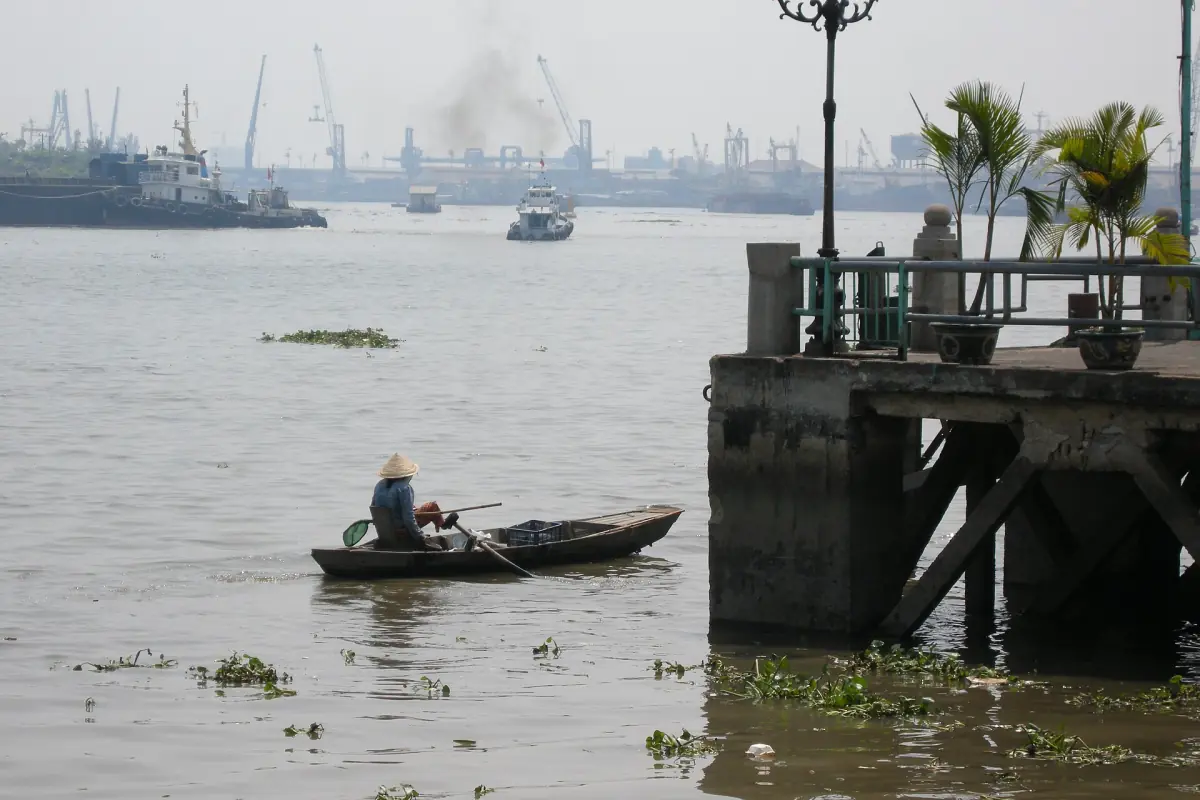
Drier months and the heat tradeoff
December, January and February belong to the drier part of the year in the regional table. February has average monthly rainfall of 8 mm. April is also in the drier phase, but its mean daily maximum is 34.5°C. These values describe different climate measures: rainfall is a monthly total averaged across the reference period, while the temperature is an average of daily highs.
Choose a season around your tolerance for heat as well as your wish to avoid rain. A visit includes movement around the grounds, with time outside as well as the underground element. Read the Ben Dinh visitor guide or the Ben Duoc guide to decide which setting and exhibits you want before assigning a day.
A river trip
This boat trip includes a life vest and a station meeting time, but depends on the weather.
Hand-picked tours, booked through Viator. Prices are indicative starting prices in US dollars (as of October 2026). Tap a tour for live availability and the current price in your currency.
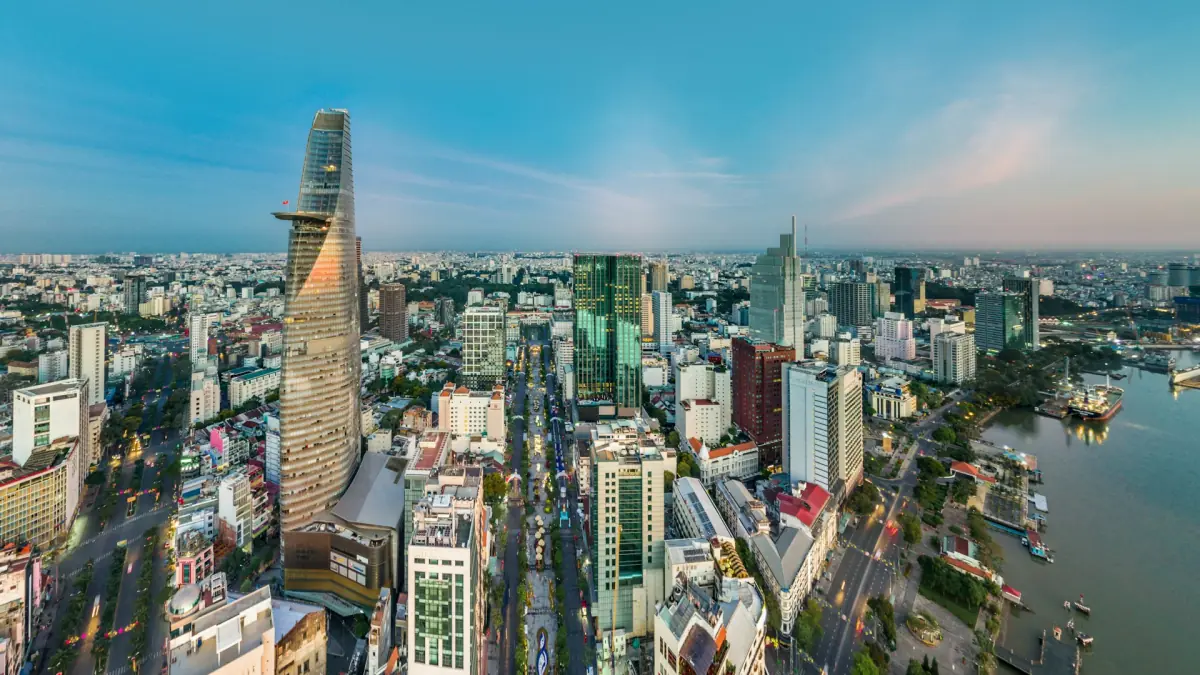
A river excursion for a flexible travel day
This speedboat option includes admission, an English-speaking guide, a Vietnamese set lunch and a life vest; river travel remains dependent on safe conditions.
Visiting during the wetter phase
May to November has higher average rainfall in the WMO series. September records average monthly precipitation of 273 mm. Use the monthly figure to compare seasons, then use the forecast to plan the hours of your outing. Keep the day's forecast separate from the seasonal pattern when packing and deciding how much flexibility to leave.
Paths can become muddy after rain. Closed shoes with grip are a practical choice for walking through the grounds; light clothing and insect repellent also belong in the preparation. Pack rain protection where it is not included in your particular excursion. A supplied item on one programme should not replace checking what you need for your own journey.
Early starts and a manageable visit
An early departure appears in a published river programme, but the start time is part of that itinerary. Choose a departure that leaves you comfortable time to reach the pickup or meeting point. Avoid using a general preference for mornings as a promise of empty paths or a specific temperature advantage.
Allow space to pause and listen to explanations rather than trying to fit every possible stop into a weather gap. The underground passages are narrow and can be uncomfortable for people sensitive to enclosed spaces. Decide how you feel about that element separately from the forecast; a dry day does not change the nature of a tunnel visit.
Weather and speedboat arrangements
For a speedboat trip, keep another possible day in mind if your schedule allows. The published river programme's weather rule provides for rescheduling or cancellation when conditions are unsafe; light rain alone does not trigger cancellation. Follow the arrangements for your booked departure rather than interpreting a rainfall average as an operating decision.
The boat excursion featured here includes entrance fees, a guide, a traditional Vietnamese set lunch and a life vest with boat insurance. District 1 hotel transfers are listed among its inclusions. Treat the equipment as part of that product and follow the safety briefing. See how to get there for the distinction between road journeys, river meeting points and the airport arrival.
Keep entrance arrangements separate from weather planning too. The entry and opening information helps you prepare the visit; current conditions and the day's service arrangements still deserve attention before departure.
Prepare for the day
Season
Use regional averages to compare months, then consult the current forecast.
Ground
Bring closed shoes with grip for paths after rain.
River
Leave flexibility for the operating decision on your boat departure.
Season and weather questions
Which months are usually drier?
December to April forms the drier phase in the WMO Ho Chi Minh City normals for 1991 to 2020. Any individual travel day can differ.
What should I wear after rain?
Choose closed shoes with grip, light comfortable clothing and rain protection. Paths can be muddy, and insect repellent is useful preparation for the grounds.
Will a boat excursion run in light rain?
The published river programme distinguishes light rain from unsafe conditions. Follow your departure's instructions; unsafe conditions can lead to a changed date or cancellation.